

King Herod failed royally when faced with two historic decisions that revealed his pretentious pride and pathetic insecurity.
The Wise Men came to Herod’s palace seeking the newborn king, which was sensible. But when they told Herod a star had led them from the east in search of a new King, they rocked his world. He directed Jewish leaders to research the Magi’s claim and found it to be accurate. Decision one: Protect his kingship. Find this child under the pretense of wanting to honor him.
Aided by the results of the king’s research, the Magi found the Child in Bethlehem, presented their gifts, and worshipped Him. Herod had asked them to come back and tell him where to find this new king, but they were warned in a dream not to return to Herod and took a different route to their home country. They rocked Herod’s world again.
He was furious when he realized he’d been outwitted. Decision two: Double down on protecting his kingship. Find this child-king and make no pretense of worship—kill him. To ensure he destroyed the king-child, he ordered the murder of every boy under two. There was no Mary-like humility, no Joseph-like submission, only militant pride.
A decision is a personal choice, and there is always a choice. Only a humble, submitted heart—one that wants what God wants—will keep pride and resentment from affecting a choice. Obedience can make us uncomfortable and often brings challenges, but God is watching, guiding, and protecting us, as He did for Joseph, Mary, and Jesus.
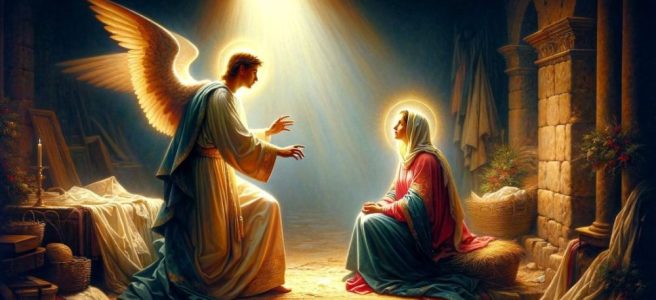
An angel of the Lord appeared to Joseph in a dream. “Get up! Flee to Egypt with the child and his mother,” the angel said. “Stay there until I tell you to return, because Herod is going to search for the child to kill him.”
Lord, may our hearts seek only you, and nothing of self, pride, or control. You are fully trustworthy.
Quote is from Matthew 2:13.
 BARBARA HIGBY